

Why map basketball?
Lab Notes #1 for mapping the geography of basketball, why it matters, and what data should it use?

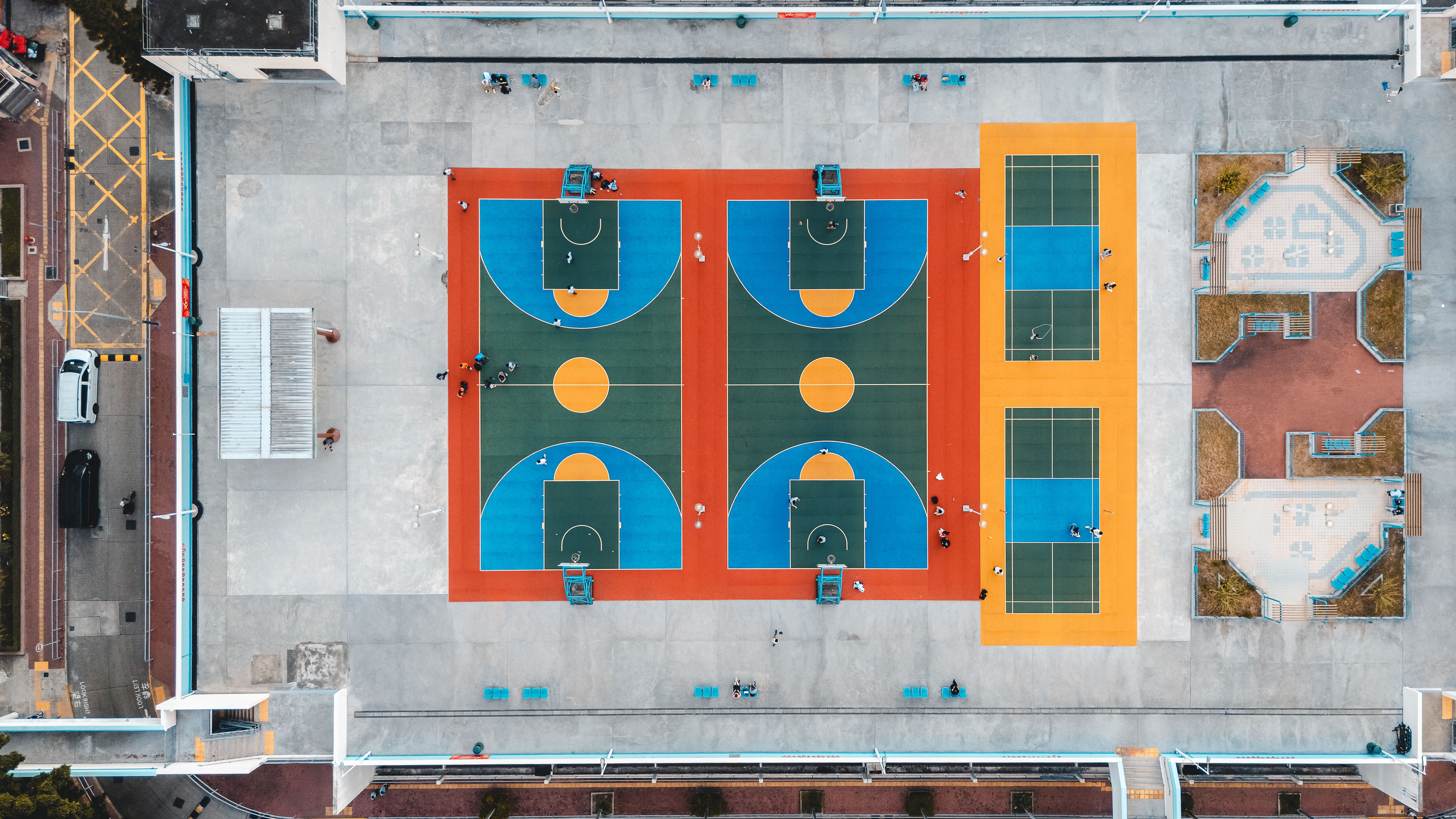
Let’s start with the big question: why is it even worth studying basketball in the United States?
For me it boils down to three things (pulling this directly from my Notes app as I was thinking about it last night):
The access
The lore
The geography
Let’s start with the access. If I was looking at any sport outside the US the sport to study would be soccer (football) because it is the most accessible sport outside the US. But in the US, Basketball might be that sport.
In fact during the most recent Finals, Kenny Smith said something to this extent, about basketball being the sport of New York City. I think that is actually pretty universal across the country. You just need a court and a ball, and one other person if you want to play a game. On a nice day you are likely to find a game or at least someone playing alone on many courts. Can you say the same about baseball or football?
It was also my suspicion that it is the most accessible sport from courts outside to courts in schools, gyms, churches, and other institutions. So I hope to answer that question.
Next there is the lore. Basketball has this gravitational pull in American sports. Culturally it has a massive impact in so many areas. Nearly all of the most followed American athletes are basketball players. But this stat stood out to me:
Out of 136 ESPN 30 for 30 documentaries, 33 of them are about basketball. Almost a quarter of all of them are about the sport.
I had an inkling but the data tells the story there. Then there are the movies from Hoosiers, Coach Carter, Space Jam, Hustle, and more. Then there are the rise of the basketball podcasts and creators from Lethal Shooter and many more.
But the lore goes deeper to the specific courts and stadiums, from MSG to Rucker Park, Cameron to Allen, and games played in football and baseball stadiums and aircraft carriers. Not to mention we have a month dedicated to the sport.
The final one is the geography.
We have some clear geographic centers of basketball in the United States and it’s worth answering where those places actually are. There are the cities: New York City, Chicago, Los Angeles all have clear and defined basketball cultures.
But there are bigger regions too. Indiana claims to have that identity for many reasons but so does North Carolina and the density of successful college programs there helps make the case.
But we don’t have an answer. Go search for the “mecca of basketball” and you will get a ton of different answers.
So, can we answer it with data? We will find out.
What are the questions I want to answer
So that boils down to three questions I want to answer about basketball:
What is the geography of basketball in the United States?
What does that tell us about the country and the sport?
Is there a center (or mecca) of basketball in the US?
Now we need data to answer those questions, but drop any questions you might also want to answer in the comments.
What data can help answer that question
So far I have picked these data layers to drive this investigation:
Courts: all the courts that we can see in parks and public areas from OpenStreetMap and Overture Maps
But also the ones we can’t see in schools, gyms, and churches. We can’t be certain but we can estimate that if a building is over a certain size that a gym is inside and a confidence level (i.e. most schools will have a gym with a hoop if they are over a specific size, and the more senior the school the more likely)
This will also need to be balanced by population density as well as access in different socioeconomic measures too.
Gyms: given the prevalence and importance of gyms specifically the YMCA I want to give these an extra weight in the model
Teams: having a team from the professional to the collegiate level will drive some level of importance in those communities. We can also weight those teams based on their success and winning percentages as well.
Players: players that have made it to the collegiate and professional levels also gives us a way to measure how much people are participating in the sport in different areas for both women and men.
Those are the four main areas I am focusing on. Of course this is the point of this article: are there any that are missing, and which are most important?
Drop your thoughts in the comments and let me know in the poll which layers are the most important: